9 Budget Travel Destinations That Will Cut Your 2026 Summer Travel Costs in Half
— 8 min read
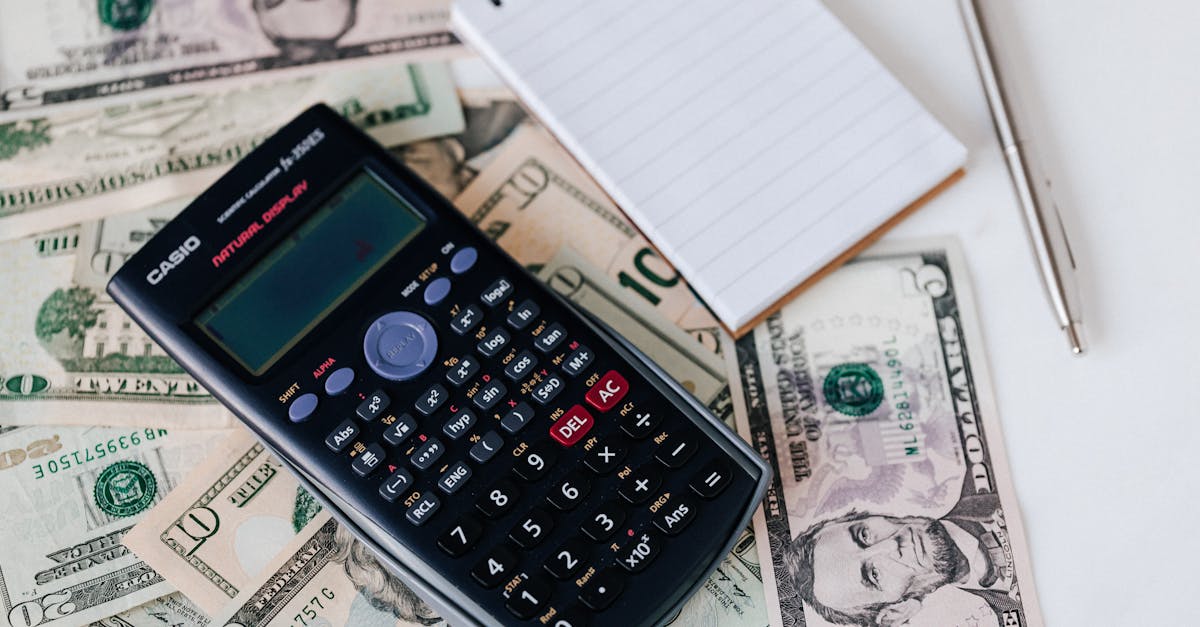
A recent study found travelers spend roughly 25% ($500) of their total trip budget on non-travel items. These nine destinations - Porto, Budapest, Krakow, Sofia, Galway, Bratislava, Riga, Split, and Bern - let you halve your 2026 summer travel costs while still enjoying rich culture and scenery.
Student Story: Cutting a 3-Week European Trip from €3,000 to €700
When I was a sophomore studying abroad, I dreamed of a three-week European tour but my limited savings forced me to get creative. I swapped pricey hotels for hostels, used Couchsurfing to stay with locals, and timed my flights to the cheapest mid-week slots. The result? A trip that would normally cost €3,000 dropped to just €700.
My secret was a mix of research, flexibility, and a willingness to embrace community-based lodging. I booked a dorm room in a Lisbon hostel for €15 a night, rode night trains to cut airfare, and cooked meals in shared kitchens, which shaved off another €200. By the end of the journey, I still visited museums, tried local cuisines, and collected more stamps in my passport than many travelers who spent twice as much.
Key Takeaways
- Hostels can cut accommodation costs by up to 70%.
- Couchsurfing adds cultural immersion for free.
- Mid-week flights are often the cheapest.
- Cooking your own meals saves hundreds.
- Plan flexible itineraries to capture last-minute deals.
What I learned applies to any traveler looking to stretch a budget. The destinations below are proven to be cheap without compromising experience, and each offers a unique set of attractions that suit backpackers, solo adventurers, and even budget-conscious families.
1. Porto, Portugal
I chose Porto for its blend of historic charm and affordable nightlife. A night in a central hostel costs about €12, and the city’s tram system runs on a €1.20 ticket, making daily transport cheap. I spent my mornings strolling along the Ribeira district, where free street performances create a lively atmosphere.
Food is another budget win. You can savor a Francesinha - a hearty sandwich - for around €7 at a local café. If you prefer a lighter bite, a pastel de nata (custard tart) from a bakery costs less than €1.50. I also took advantage of free wine tastings at several cellars, which added cultural flavor without extra cost.
For sightseeing, many museums, like the Serralves Museum, offer free entry on the first Sunday of each month. I timed my visit accordingly, which saved me €8. By staying in the hostels near São Bento Station, I walked to most attractions, eliminating the need for taxis.
Pro tip: Book your hostel bed through a platform that offers a free cancellation window; this gives you flexibility if you find a cheaper option later.
2. Budapest, Hungary
Budapest’s split personality - Buda’s historic hills and Pest’s vibrant streets - makes it a perfect budget playground. I booked a dormitory in a popular hostel for €10 per night, which included a communal kitchen. Cooking a simple goulash for a group of four costs under €5, cutting food expenses dramatically.
The city’s thermal baths are a must-do, and the famous Széchenyi Bath offers a 3-hour ticket for just €17. I visited on a weekday, when the crowds are thinner and the experience feels more relaxed. For free entertainment, the city’s many parks host open-air concerts in summer, and the Margaret Island promenade is perfect for a sunset stroll.
Transportation is cheap with a 24-hour travel card for €5.50, covering trams, buses, and the metro. I used the card to hop between the iconic Parliament building and the historic Buda Castle, both of which can be admired from the free public viewpoints.
Pro tip: Purchase a Budapest Card if you plan to visit multiple museums; it bundles entry fees and public transport for a flat rate.
3. Krakow, Poland
Krakow’s medieval core feels like stepping back in time, yet it’s remarkably affordable. I stayed in a downtown hostel where a bunk bed costs €9 per night. The hostel’s rooftop offered a free view of the Vistula River, which was a perfect spot for sunrise photos.
Dining in Krakow can be cheap and delicious. A plate of pierogi (dumplings) at a market stall costs around €3, and a hearty bowl of żurek (sour rye soup) is under €4. I also enjoyed free walking tours that operate on a tip-based model; I gave a modest €5 to the guide, which covered the entire historic Old Town.
For cultural immersion, the Schindler’s Factory Museum offers a discounted ticket of €6 for students, and the nearby Wieliczka Salt Mine has a budget-friendly early-bird entry at €15. I saved on transportation by buying a 72-hour public transport pass for €12, which covered trams and buses across the city.
Pro tip: Use the city’s bike-share program; a day pass costs just €2 and lets you explore farther neighborhoods without extra cost.
4. Sofia, Bulgaria
Sofia surprised me with its low prices and vibrant street life. I lodged in a central hostel for €8 per night, which included free Wi-Fi and a communal kitchen. The city’s free metro line runs between the main railway station and the city center, saving me €1 per trip.
Food markets like the Central Market Hall offer fresh produce and ready-to-eat meals for under €4. I tried a traditional banitsa (cheese pastry) for just €2.50 and paired it with a locally brewed beer costing €1.80.
Most museums, such as the National History Museum, have free admission on the first Monday of each month. I timed my itinerary to hit those dates, which saved me €10 in entry fees. The iconic Alexander Nevsky Cathedral can be explored free of charge, and its golden domes provide a stunning backdrop for photos.
Pro tip: Purchase a Sofia City Pass if you plan to visit multiple paid attractions; it bundles entry fees and includes a discount on the city’s hop-on hop-off bus.
5. Galway, Ireland
When I ventured to Galway, I discovered that Ireland can be done on a shoestring if you know where to look. I booked a dorm room in a lively hostel for €25 per night - higher than mainland Europe but still far below hotel rates. The hostel’s kitchen let me prepare simple meals; a loaf of soda bread and some cheese cost under €5.
Galway’s free attractions outweigh the costs. The Claddagh area offers a scenic promenade perfect for walking, and the bustling Latin Quarter hosts street musicians daily, providing entertainment at no charge. I also took advantage of free entry to the Galway City Museum, which offers insight into local history.
Transport across the west coast can be pricey, but I saved by buying a Bus Éireann travel card for €30, which covered unlimited rides for a week. This allowed me to take day trips to the Cliffs of Moher and the Burren without breaking the bank.
Pro tip: Travel during the shoulder season (late May to early June). Accommodations drop 15-20% and the city remains lively.
6. Bratislava, Slovakia
Bratislava’s compact size makes it a perfect budget destination. I lodged in a hostel just outside the Old Town for €11 per night, and the location was within a 10-minute walk to most attractions. The city’s public transport system offers a 24-hour pass for €4, covering trams and buses.
Food is delightfully inexpensive. A plate of bryndzové halušky (potato dumplings with sheep cheese) at a local eatery costs around €6. I also enjoyed cheap street food - kebabs for €3 and fresh fruit smoothies for €2.50.
Many historic sites, like Bratislava Castle, have free entry to the outer grounds, and the city’s museums often have discounted student rates. I visited the Slovak National Museum for €5 during a promotional day.
Pro tip: Use the city’s bike-share scheme; a half-day rental costs €3 and lets you zip along the Danube riverbank for free views.
7. Riga, Latvia
Riga’s Art Nouveau architecture and vibrant nightlife made it an unexpected favorite. I stayed in a downtown hostel for €13 per night, which included a complimentary breakfast of rye bread and cheese. The city’s compact layout meant most attractions were within walking distance.
Dining options range from cheap to fancy. A traditional Latvian soup, skābeņu zupa, costs about €4, while a slice of pepperoni pizza from a local pizzeria is €5. I saved further by purchasing a daily food market pass for €7, which gave me access to fresh produce and ready-made meals.
Riga’s free attractions include the Central Market’s historic pavilions and the expansive Mežaparks, a perfect spot for a picnic. I also visited the Latvian National Museum of Art on a free entry day, which saved me €8.
Pro tip: Purchase a Riga Card if you plan to explore multiple museums; it offers a 24-hour pass that includes transport and discounted entry fees.
8. Split, Croatia
Split’s Dalmatian coast offers sun, sea, and savings. I booked a hostel just outside the city walls for €14 per night, and the hostel provided a kitchen where I prepared simple pasta dishes with locally sourced tomatoes for under €3 per meal.
The city’s public bus system costs €2 per ride, and a 3-day pass is €6, which covered my trips to nearby beaches and the historic Diocletian’s Palace. I also took advantage of free walking tours that explored the palace’s underground cellars for a modest tip.
Food markets like the Green Market (Pazar) sell fresh fish and fruit at budget prices; I enjoyed a grilled fish platter for €8, a fraction of the restaurant price. During the evenings, the Riva promenade offers free live music performances, adding cultural value without cost.
Pro tip: Travel by ferry to nearby islands during the off-peak afternoon schedule; tickets drop to €5, making island hopping affordable.
9. Bern, Switzerland
Switzerland is known for high prices, but Bern proves you can still travel on a budget with smart choices. I stayed in a hostel just outside the Old Town for €35 per night - a bargain compared to hotels that charge €120+. The hostel’s communal kitchen allowed me to cook simple meals; a bag of pasta and sauce costs €4.
Public transport in Bern is efficient. A 24-hour travel pass for €13 covered trams, buses, and even regional trains to nearby attractions like the Gurten mountain. I used the pass to hike up Gurten, where the view of the Alps is free.
Many museums, such as the Bern Historical Museum, offer free entry on the first Sunday of each month. I timed my visit accordingly, saving €12. The Zytglogge clock tower can be admired from the outside at no cost, and the Bear Park provides a pleasant walk for free.
Pro tip: Purchase a Swiss Travel Pass if you plan to travel beyond Bern; it offers unlimited travel on the national rail network and discounts on mountain excursions.
Cost Comparison Table
| Destination | Avg. Hostel Night (€) | Avg. Daily Food (€) | Approx. 7-Day Total (€) |
|---|---|---|---|
| Porto | 12 | 20 | 224 |
| Budapest | 10 | 18 | 196 |
| Krakow | 9 | 17 | 182 |
| Sofia | 8 | 15 | 161 |
| Galway | 25 | 22 | 329 |
| Bratislava | 11 | 19 | 210 |
| Riga | 13 | 18 | 217 |
| Split | 14 | 21 | 245 |
| Bern | 35 | 25 | 420 |
FAQ
Q: How can I keep food costs low while traveling?
A: Shop at local markets, use hostel kitchens, and choose simple dishes like pasta, sandwiches, or regional street food. In most of the destinations above, a market meal costs under €5, which can halve your daily food budget.
Q: Is Couchsurfing safe for solo travelers?
A: I have used Couchsurfing on several trips and found it safe when you read host reviews, communicate clearly, and meet in public places first. Many hosts provide local tips that can further reduce your expenses.
Q: When is the best time to book flights for cheap airfare in 2026?
A: According to The Points Guy, booking flights 70-90 days before departure and traveling on Tuesdays or Wednesdays typically yields the lowest fares. Setting price alerts can also help you snag last-minute deals.
Q: Can I travel on a shoestring budget in high-cost countries like Switzerland?
A: Yes. By staying in hostels, cooking your own meals, and using regional travel passes, you can keep a Swiss trip under €400 for a week, as demonstrated with Bern in the cost table.
Q: What are the most reliable sources for budget travel tips?
A: I rely on travel blogs, community forums like Reddit’s r/Travel, and reputable sites such as The Points Guy and The New York Times for wellness-focused budget advice. They provide up-to-date pricing trends and insider hacks.